Wesley College's 10 Child Safe Organisation Principles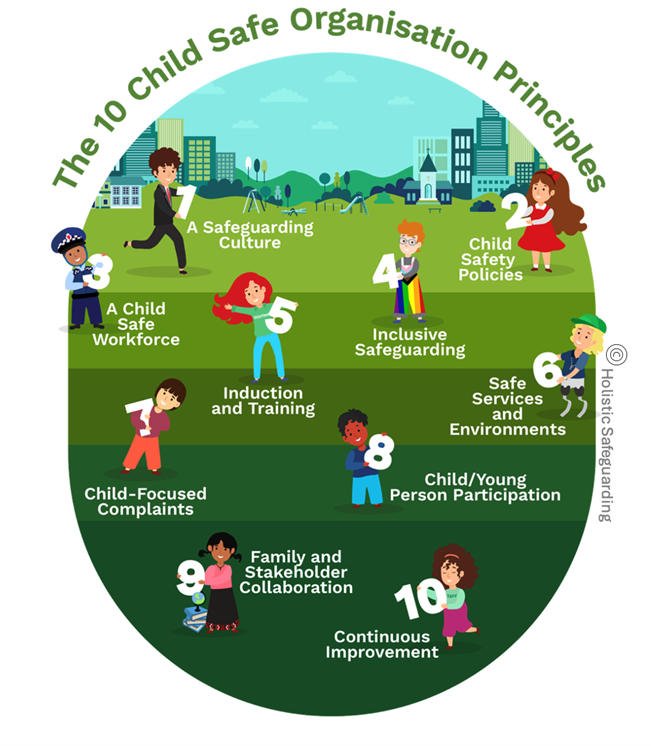
 | Principle 1 – A Safeguarding Culture Governance and leadership embed child safety best practices and create a safeguarding culture. Governance and leadership form the foundation of Wesley College, shaping its priorities and culture. Principle 1 supports both College Boards and the College’s Leadership staff in fulfilling their child safety roles and responsibilities including embedding safeguarding and child protection holistically across all aspects of the College ensuring child safety is embedded at every level and a safeguarding culture is fostered. |
 | Principle 2 – Child Safety Policies and Procedures A suite of best practice child safeguarding and protection policies, procedures and resources are established. Principle 2 guides the College through exceeding Children Act 2014 requirements of having a Child Protection Policy, by helping us integrate child safety into the our policy framework and creating of a suite of child safety policies and procedures, including our Safeguarding and Child Protection Policy and Safeguarding Code of Conduct Policy that drive consistency in practice and evidence child safety as a shared workforce responsibility. Click on any of our safeguarding policies below to view them in more detail: |
 | Principle 3 – A Child Safe Workforce Child safety is integrated into the College’s people and culture staff support and management frameworks ensuring child safety is recognised and managed as an accountable shared workforce responsibility. Principle 3 integrates child safety into all human resource structures ensuring all staff understand and apply their child safety responsibilities and throughout their lifecycle of employment or engagement with Wesley College. |
 | Principle 4 – Inclusive Safeguarding Strengthening inclusion and cultural safeguarding for Wesley College’s community. Principle 4 helps us be a safer school by integrating safeguarding into our diversity, equity, and inclusion (DEI) policies and practices. Fostering equity across the pillars of child rights - participation, provision, and protection and reinforcing cultural safeguarding that is reflective and protective of Wesley College’s diversity and cultural identities. |
 | Principle 5 – Induction and Training Comprehensive child safety workforce induction, training, and education. Principle 5 drives our Child Safety Induction, Training and Education Strategy which ensures all staff (employees, volunteers and independent contractors), in all roles are equipped with the knowledge, skills, and attitudes necessary respond safely to any disclosed, identified or reported child safety concerns. |
 | Principle 6 – Safe Services and Environments Creating and monitoring safe physical and online services and environments. Principle 6 strengthens our duty of care by making child safety more than just health and safety and being a specific focus point in our risk assessment and mitigation mechanisms across our physical and online services and environments. |
 | Principle 7 – Child-Focused Complaints Complaint handling processes that are child-focused and uphold child rights. In following Principle 7 we have applied a child rights lens over the review of our Complaints Policy and complaint-handling processes, ensuring they are child-focused, accessible, and responsive. We take all complaints seriously and any complaints identified as relating to child safety concerns are automatically managed by our Safeguarding Officer under our Safeguarding and Child Protection Policy. |
 | Principle 8 – Student Participation Students are empowered to actively participate in the College’s safeguarding measures, journey, and culture. Principle 8 guides fostering the voice and active involvement of students in helping us shape and strengthen our safeguarding practices and culture. Empowering students to understand their rights to safety and protection, equipping them with the knowledge and skills to help them identify risks of harm and to report any safety concerns for themselves or their peers. |
 | Principle 9 – Whaanau and Stakeholder Collaboration Whaanau and stakeholders work together with the College to help shape and support child safety practices and our safeguarding culture. Principle 9 recognises we cannot establish an effective safeguarding culture without actively engaging our community and stakeholders. In strengthening our partnerships with whaanau and stakeholders their active engagement and collaboration helps to shape, evaluate, and enhance safeguarding strategies and foster our safeguarding culture. |
 | Principle 10 – Continuous Improvement We maintain and improve our safeguarding culture and adapt to new challenges through effective child safety review process. Principle 10 reflects how safeguarding doesn’t have a completion date but is a continuum. Even as the College matures in its child safety practices, ongoing monitoring, evaluation, and stakeholder feedback is critical to ensuring we maintain our best practices, are best placed to respond to any new challenges and continuously improve so our safeguarding measures remain efficient and effective. |